Offshore Fishing Quepos, Costa Rica: What to Expect
Introduction
Quepos, Costa Rica, is a hidden gem for offshore fishing enthusiasts. Nestled on the country’s central Pacific coast, this vibrant town offers an exciting range of fishing experiences in its rich waters. With stunning scenery, diverse marine life, and a plethora of fishing charters, Quepos is the perfect destination for both seasoned anglers and novices. In this article, we’ll delve into what you can expect when you embark on an offshore fishing adventure in Quepos, from the best species to catch to insider tips that will enhance your experience.
Why Choose Quepos for Offshore Fishing?
1. Perfect Location
Quepos is strategically located near the continental shelf, where deep ocean waters are just a short boat ride away. This unique geographical feature allows anglers to access rich fishing grounds teeming with various species, making it one of the top fishing destinations in the world.
2. Year-Round Fishing Opportunities
Unlike many fishing spots that have seasonal restrictions, Quepos offers excellent fishing year-round. Different species peak at various times throughout the year, providing ample opportunities for anglers to land a big catch at any time.
3. Diverse Marine Life
The waters around Quepos are home to an incredible variety of fish species. From game fish like marlin and sailfish to delicious table fare such as dorado and yellowfin tuna, the diversity ensures that every fishing trip can yield exciting results.
4. Stunning Scenery
Fishing in Quepos isn’t just about the catch; it’s also about the breathtaking views. The backdrop of lush rainforests, stunning cliffs, and the expansive Pacific Ocean creates an unforgettable atmosphere.
What Species Can You Expect to Catch?
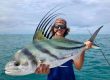
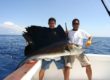
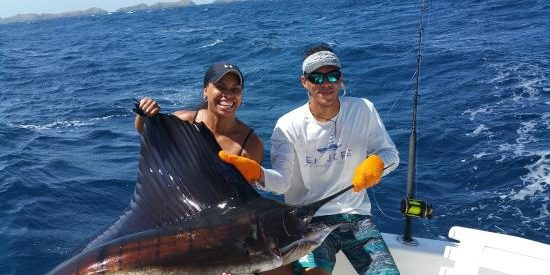
1. Sailfish
- Description: Sailfish are famed for their speed and acrobatics, making them a prized catch for sport fishermen.
- Best Time: The peak season for sailfish usually runs from December to April.
- Fishing Techniques: Trolling with live bait or lures is the most effective method for targeting sailfish.
2. Marlin
- Description: Blue, black, and striped marlin are commonly found in Quepos, providing a thrilling challenge for anglers.
- Best Time: Marlin fishing typically peaks between May and August.
- Fishing Techniques: Anglers often use trolling with larger baits or lures to attract marlin.
3. Yellowfin Tuna
- Description: Known for their size and strength, yellowfin tuna are a favorite among sport fishermen.
- Best Time: Yellowfin tuna can be caught year-round, with the best months from June to September.
- Fishing Techniques: Chunking and live bait fishing are popular methods for targeting yellowfin tuna.
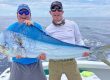
4. Dorado (Mahi-Mahi)
- Description: Dorado, or mahi-mahi, are colorful and delicious fish that are abundant in the warm Pacific waters.
- Best Time: The best months for catching dorado are from December to June.
- Fishing Techniques: Trolling with brightly colored lures or live bait is highly effective.
5. Wahoo
- Description: Wahoo are fast, aggressive fish known for their distinctive stripes and great flavor.
- Best Time: Wahoo fishing is best from November to April.
- Fishing Techniques: High-speed trolling with lures is a popular method for catching wahoo.
What to Expect on Your Fishing Trip
1. Choosing the Right Charter
Quepos offers a wide variety of fishing charters, catering to different needs and preferences. Here’s what you can expect when selecting a charter:
- Experience: Look for charters with experienced captains who are knowledgeable about local waters and fishing techniques. Their expertise can significantly enhance your fishing experience.
- Vessel Type: Charter options range from smaller, more intimate boats to larger, luxurious vessels equipped with amenities. Choose a boat that suits your group size and fishing style.
- Inclusions: Most charters provide fishing gear, bait, refreshments, and fish cleaning services. Be sure to confirm what is included in your package before booking.
2. Essential Gear and Equipment
While most charters provide high-quality fishing gear, it’s a good idea to bring some personal items to enhance your experience:
- Comfortable Clothing: Dress in lightweight, breathable clothing suitable for a day on the water. Quick-dry materials are ideal.
- Sunscreen and Sunglasses: Protect yourself from the sun’s rays with high-SPF sunscreen and polarized sunglasses to reduce glare and improve visibility in the water.
- Snacks and Drinks: Staying hydrated is crucial during your fishing trip. Bring plenty of water and light snacks to keep your energy levels up.
3. Safety Measures
Safety should always be a priority during your fishing trip. Here are some essential safety tips to keep in mind:
- Life Jackets: Ensure that the boat is equipped with enough life jackets for all passengers. Charters typically provide these, but it’s good to double-check.
- First Aid Kit: A basic first aid kit should be available on board. Familiarize yourself with its contents in case of minor injuries.
- Respect Other Anglers: Maintain a respectful distance from other boats and communicate if you plan to move your vessel.
4. Fishing Etiquette
Practicing good fishing etiquette ensures a pleasant experience for everyone on the water. Here are some guidelines to follow:
- Space: Give other boats and anglers ample space. Crowding can lead to tense situations and diminish the enjoyment of the experience.
- Catch and Release: If you’re practicing catch and release, handle fish gently to minimize stress and increase their chances of survival.
- Follow Local Regulations: Familiarize yourself with local fishing regulations, including catch limits and licensing requirements. Many charters will assist you with this.
The Best Time to Fish in Quepos
Seasonal Overview
- December to April: This period is considered the peak fishing season for many species, especially sailfish and dorado. The weather is typically dry and sunny, making for ideal fishing conditions.
- May to August: This time frame is great for catching marlin and yellowfin tuna. Though it can be the rainy season, the fishing remains productive.
- September to November: The fishing is generally less crowded, and you can still catch various species, including wahoo and dorado. This period is ideal for those looking for a quieter fishing experience.
Local Fishing Regulations
It’s crucial to adhere to local fishing regulations while fishing in Quepos. Here are some key points to be aware of:
- Fishing Licenses: You will need a fishing license to fish in Costa Rica. Most charters can help you obtain one.
- Catch Limits: Familiarize yourself with catch limits for various species. This information is often provided by your charter.
- Protected Species: Be aware of any protected species in the area and ensure that you follow guidelines set by local authorities.
The offshore fishing hot spot
Offshore fishing in Quepos, Costa Rica, is an unforgettable experience that combines the thrill of the catch with stunning natural beauty. With its diverse marine life, excellent fishing charters, and breathtaking scenery, Quepos is a top destination for anglers from around the world. Whether you’re aiming for a trophy sailfish or enjoying the peacefulness of the ocean, Quepos has something to offer everyone.
By knowing what to expect, choosing the right charter, and practicing good fishing etiquette, you can ensure a successful and enjoyable fishing adventure in this beautiful corner of Costa Rica. So pack your gear, book your charter, and get ready for the fishing trip of a lifetime!
FAQs
1. Do I need a fishing license to fish in Quepos?
Yes, you will need a fishing license to fish in Costa Rica. Most charters can assist you in obtaining one.
2. What is the best time of year for offshore fishing in Quepos?
The best time for fishing in Quepos is generally from December to April, but many species can be caught year-round.
3. Are there family-friendly fishing charters available?
Yes, many charters in Quepos offer family-friendly options to ensure a comfortable experience for anglers of all ages.
4. What should I wear for a day of offshore fishing?
Dress in lightweight and breathable clothing, and be sure to apply sunscreen and wear a hat and polarized sunglasses.