
How Offshore Captains Find Fish in Quepos Costa Rica
How Offshore Captains Find Fish in Quepos Costa Rica
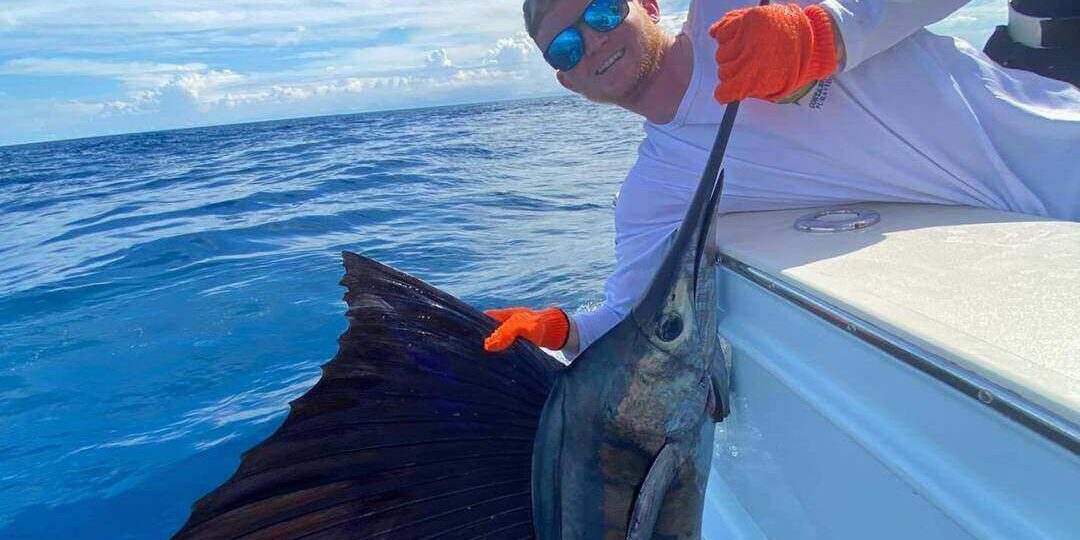
When anglers book Quepos Fishing Charters, they often imagine the excitement of a sailfish exploding behind the teaser or the chaos of multiple rods bending offshore. What many people do not see, however, is the strategy and decision-making that happens long before the first fish is hooked.
Successful Quepos offshore fishing is not based on luck. Offshore captains spend years learning how to locate productive water, track changing ocean conditions, identify bait movement, and position their boats in areas where pelagic fish are actively feeding. Every offshore trip becomes a combination of local knowledge, observation, technology, timing, and experience.
At Quepos Fishing Charters, experienced crews constantly adapt to changing offshore conditions in order to give anglers the best opportunity for success while fishing the Pacific waters off Costa Rica.
For visitors planning deep sea fishing Quepos Costa Rica, understanding how captains actually locate fish offshore gives a much deeper appreciation for what makes a productive fishing day possible.
Offshore Fishing Is Constantly Changing
Unlike reef fishing or freshwater fishing, offshore fishing happens in open ocean environments where fish are always moving.
Pelagic species such as:
- sailfish
- marlin
- dorado
- yellowfin tuna
- wahoo
rarely stay in one exact location for long periods of time.
Instead, offshore fish move continuously while following:
- bait schools
- water temperatures
- current lines
- oxygen-rich water
- floating debris
- seasonal migrations
This means offshore captains cannot simply return to the same GPS number every morning expecting identical results.
Conditions offshore may change dramatically within:
- a few hours
- a single tide cycle
- or overnight
That is why experienced captains approach every day differently.
The Morning Starts Before Leaving the Marina
Professional offshore captains begin analyzing fishing conditions long before the boat ever leaves Marina Pez Vela.
Many crews begin preparing before sunrise by checking:
- ocean forecasts
- wind direction
- water temperature reports
- current charts
- moon phases
- recent catch activity
- radio communication from other boats
These early decisions help determine:
- which direction to run offshore
- how far to travel
- what techniques to prioritize
- which species may be most active
This preparation is a major part of successful full day offshore fishing Quepos Costa Rica trips.
Water Color Is One of the Biggest Clues Offshore
One of the first things offshore captains evaluate is water color.
Different water conditions can dramatically impact fishing success.
Captains often search for:
- deep blue water
- clean offshore water
- defined color changes
- green-to-blue transitions
Why does this matter?
Blue water usually indicates:
- better ocean clarity
- stronger offshore currents
- improved oxygen levels
- healthier bait movement
These conditions are often ideal for:
- sailfish
- marlin
- tuna
- dorado
Sometimes captains may run several extra miles offshore simply to locate cleaner blue water because fish activity can increase dramatically once those conditions are found.
Current Lines Create Offshore Feeding Zones
Current lines are one of the most important offshore structures in open water.
These are areas where:
- two water temperatures meet
- currents collide
- floating debris gathers
- baitfish concentrate
To the average passenger, a current line may look subtle. Experienced captains, however, immediately recognize these zones as potential feeding areas.
Current lines often collect:
- weed patches
- floating sticks
- coconuts
- small baitfish
- flying fish
Predators patrol these edges searching for food.
Many productive Quepos offshore fishing days revolve around locating active current lines offshore.
Birds Tell Offshore Captains Where to Fish
Bird activity is one of the most valuable visual indicators offshore.
Captains constantly scan the horizon looking for:
- frigate birds
- terns
- shearwaters
- diving birds
Birds feed on bait pushed to the surface by:
- tuna
- dorado
- sailfish
- marlin
Different bird behavior can reveal different types of fish activity.
For example:
- high circling birds may indicate tuna schools
- aggressive diving birds often signal bait being attacked
- isolated frigates sometimes track large pelagic predators
Experienced captains learn to interpret bird movement almost like reading a map.
Some offshore runs change direction entirely after captains identify promising bird activity in the distance.
Bait Is the Foundation of Offshore Fishing
Captains know that where bait goes, predators follow.
Finding bait is often more important than randomly searching for gamefish themselves.
Offshore crews constantly search for:
- flying fish
- sardines
- bonito
- small tuna
- surface bait schools
Healthy bait movement usually means:
- active feeding
- oxygen-rich water
- favorable currents
- predator presence nearby
Without bait, offshore fishing can become much slower.
This is one reason why offshore captains spend so much time observing subtle ocean details throughout the day.
Temperature Breaks Can Trigger Offshore Action
Ocean temperature plays a huge role in offshore fishing.
Pelagic species often prefer specific temperature ranges.
Captains monitor:
- sea surface temperature
- sudden temperature changes
- warm water pushes
- cooler current edges
Even a one-degree temperature change offshore can attract fish.
Many offshore captains rely heavily on temperature data when deciding where to troll during deep sea fishing Quepos Costa Rica trips.
Temperature breaks often become concentrated feeding zones because baitfish gather along these transition areas.
Floating Debris Creates Offshore Ecosystems
One of the most productive offshore fishing situations occurs around floating objects.
This may include:
- logs
- branches
- trash
- weed patches
- floating buoys
These floating objects create shade and attract smaller baitfish, which then attract larger predators.
Dorado especially love floating debris.
Captains frequently troll around:
- weed lines
- floating logs
- current edges
because they know pelagic species often patrol nearby.
Sometimes a single floating object offshore can hold multiple species at once.
Offshore Captains Constantly Communicate
Communication is a major part of successful Quepos Fishing Charters.
Offshore captains often exchange information with:
- trusted captains
- tournament crews
- commercial contacts
- marina networks
This communication may include:
- water conditions
- bait activity
- current direction
- fish sightings
- productive areas
While every captain protects certain information, professional communication offshore helps crews adapt more quickly to changing conditions.
This is especially important during:
- slow bite days
- changing weather patterns
- shifting currents
The best offshore captains combine shared information with their own local experience.
Trolling Patterns Matter Offshore
How a boat trolls offshore matters significantly.
Captains constantly adjust:
- trolling speed
- lure patterns
- teaser placement
- bait positioning
- spread distance
Even small adjustments can trigger strikes.
Offshore crews carefully watch:
- lure movement
- wave direction
- sea conditions
- fish behavior
Different species often respond better to different trolling presentations.
For example:
- marlin may attack larger teasers
- sailfish may respond to smaller bait presentations
- tuna often feed aggressively around bird schools
Successful offshore trolling becomes a constant process of adjustment and observation.
Offshore Fishing Requires Patience and Mobility
Many first-time anglers expect immediate action offshore.
The reality is that offshore fishing often involves:
- searching
- repositioning
- tracking conditions
- covering large areas
Some days captains locate fish quickly.
Other days require:
- changing direction
- relocating offshore
- following bird movement
- adapting continuously
The willingness to stay mobile is one reason experienced offshore crews consistently produce results.
Why Full Day Offshore Trips Increase Success
One reason captains strongly recommend full day offshore fishing Quepos Costa Rica trips is flexibility.
Longer trips allow crews to:
- travel farther offshore
- search multiple water zones
- follow changing conditions
- relocate when needed
Offshore fishing conditions can improve dramatically throughout the day.
Sometimes the best bite may happen:
- late morning
- midday
- or even during the afternoon
Full-day trips maximize opportunities to capitalize on changing offshore activity.
Electronics Play a Major Role Offshore
Modern offshore fishing boats rely heavily on advanced marine electronics.
Professional offshore boats use:
- sonar
- radar
- chart plotting
- GPS systems
- depth sounders
- sea temperature gauges
These systems help captains:
- track offshore structure
- identify bait schools
- monitor current edges
- navigate efficiently
At Quepos Fishing Charters, experienced crews combine technology with local knowledge to improve offshore fishing success.
Technology alone does not guarantee fish, but it helps captains make faster and smarter decisions offshore.
Experience Is the Biggest Advantage Offshore
The ocean changes every single day.
No app, machine, or report can fully replace years of offshore experience.
Experienced captains understand:
- seasonal migration patterns
- weather influence
- current movement
- bait behavior
- offshore structure
- fish feeding patterns
This knowledge only develops through time spent offshore.
That experience becomes especially valuable when conditions are difficult or unpredictable.
Offshore Fishing in Quepos Is a Dynamic Process
One of the reasons anglers return to Costa Rica repeatedly is because offshore fishing is never identical.
Every day offshore presents:
- different water conditions
- new feeding activity
- changing fish behavior
- evolving ocean patterns
Captains must constantly adapt.
The process of finding fish offshore is part science, part experience, and part instinct developed over years on the water.
That challenge is exactly what makes Quepos offshore fishing so exciting.
Final Thoughts on How Offshore Captains Find Fish in Quepos
Successful Quepos Fishing Charters involve far more than simply driving offshore and dropping lines into the water.
Experienced captains spend years learning:
- how currents move
- where bait gathers
- how birds behave
- how water temperature affects fish
- how offshore conditions change daily
Every offshore decision matters.
From reading water color to locating current lines and tracking bird activity, offshore captains use countless details to position anglers in productive fishing zones.
For visitors planning deep sea fishing Quepos Costa Rica, understanding the strategy behind offshore fishing creates a much greater appreciation for the skill involved in finding pelagic fish offshore.
With experienced crews, local offshore knowledge, and access to world-class Pacific fishing grounds, Quepos Fishing Charters continues to provide unforgettable full day offshore fishing Quepos Costa Rica experiences for anglers seeking premier offshore